Before a single footing is poured or a slab is reinforced, there’s one part of the building process that will determine whether your home will stand for decades or start cracking within a few years.
The ground you build on isn’t just dirt. It’s a complex mix of clays, sand, rock and moisture and each reacts differently under pressure and water changes. That’s why a soil test is one of the most important steps before construction begins.
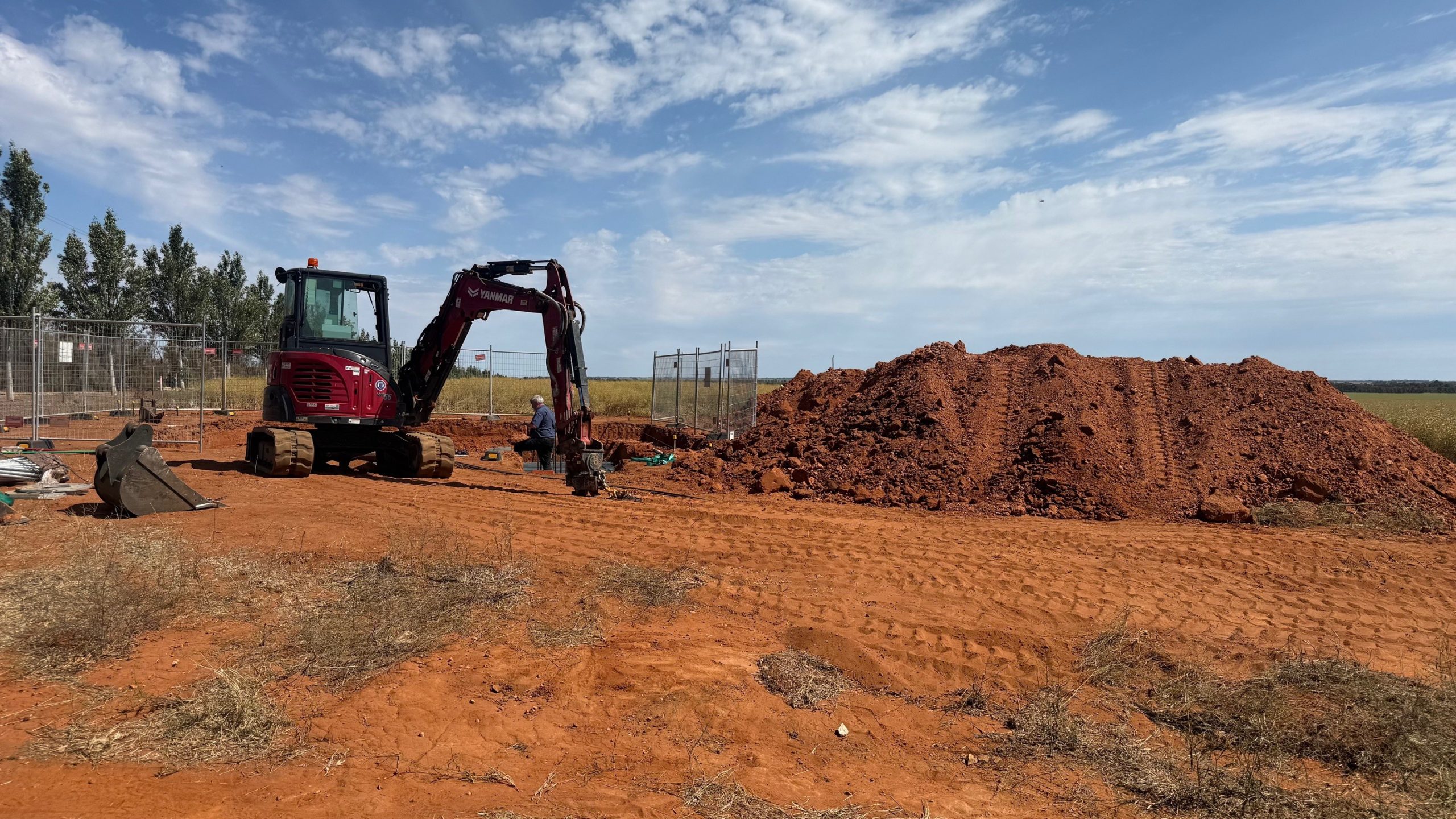
At Barrasons Group, we partner with a range of Geotechnical Engineers to perform detailed soil investigations to determine how reactive, stable and safe your soil is and to help design the right foundation for your home or extension.
Let’s break it down, the different types of soil tests, what each one reveals and why they’re essential for any building project in Australia.
1.Site Classification (AS 2870 Residential Slab Test) This is the most common soil test for residential building sites. It’s required under the Australian Standard AS 2870 to determine the soil’s reactivity, how much it expands or contracts with changes in moisture.
Soil classifications include:
Class A – Stable, minimal movement
Class S – Slightly reactive clay sites
Class M – Moderately reactive
Class H1 / H2 – Highly reactive clay sites
Class E – Extremely reactive
Class P – Problem sites (fill, soft soil, or abnormal conditions)
If your soil is classified as H or E, your foundation design will require engineered reinforcement to prevent future cracking or subsidence. This type of test is often called a “reactive soil test” or “geotechnical site investigation” and is typically completed by a structural or geotechnical engineer.
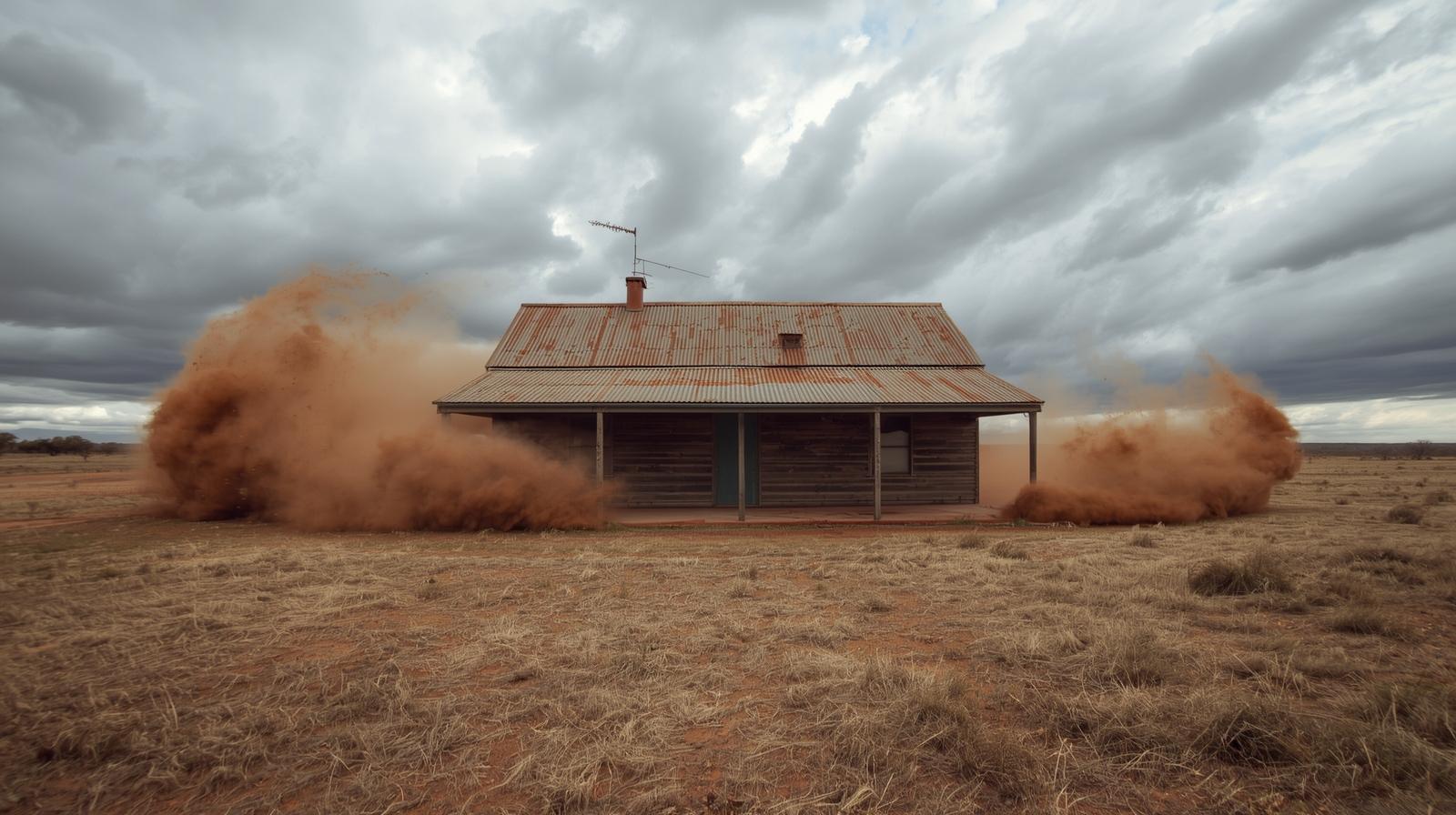
2. Moisture Content Test The moisture content of your soil plays a huge role in its stability. When clay soil absorbs water, they swell and when they dry out, they shrink. This constant movement can cause foundation cracking and uneven floors over time. Engineers test soil moisture using precise sampling and drying methods to determine how much water your soil naturally holds and how it behaves during seasonal changes.
3. Atterberg Limits Test Clay can be unpredictable, that’s why engineers measure its plasticity and shrinkage characteristics through the Atterberg Limits Test.
This test determines three states: Liquid Limit: The moisture point where soil starts acting like a liquid Plastic Limit: The range where soil can be moulded without cracking Shrinkage Limit: The moisture level where soil stops shrinking when it dries These results tell engineers how reactive your clay soils are, which directly impacts the type of footing system your home needs.
4. Compaction Test The compaction test checks how dense and stable your soil is after being compacted. A key factor in supporting slabs, driveways and retaining walls.
If your soil isn’t compacted properly, it can lead to:
- Uneven settling
- Cracking concrete
- Drainage failures
A compaction test ensures your building site is structurally sound and ready for construction.
5. Permeability (Drainage) Test The permeability test measures how quickly water drains through your soil. If water doesn’t drain efficiently, it can cause flooding, foundation instability and retaining wall pressure. In rural or semi-rural properties, permeability tests are often mandatory for septic system approvals or storm water drainage design. If your soil drains too slowly, engineers can recommend subsurface drainage systems or raised slab designs to protect your foundations.
6. Bearing Capacity Test The bearing capacity test determines how much weight the soil can support before it begins to deform or fail. It’s crucial for multi-storey builds, retaining walls and heavy load-bearing structures. Engineers may use a plate load test or standard penetration test (SPT) to calculate how deep and wide footings need to be. Without this test, you risk your home sinking unevenly or cracking due to poor support.
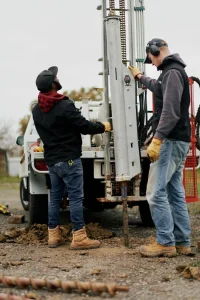
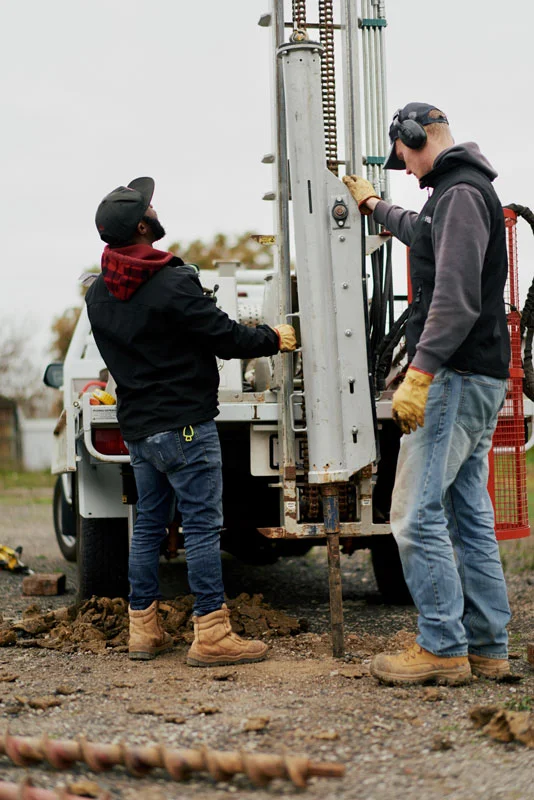
7. Borehole Sampling and Core Logging For larger projects, engineers perform borehole investigations, drilling deep into the soil to extract samples from different layers. This helps identify:
- Variations in soil composition
- Depth of rock or clay layers
- Presence of groundwater
- Changes in density or strength with depth
These samples are logged, analysed and used to model the soil’s behaviour under load. This method is essential for sloping blocks, hillside homes or commercial developments.
8. Chemical Testing (Salinity and pH) Soil chemistry directly affects concrete durability and steel corrosion. In coastal or reclaimed areas, soils can contain chlorides or sulfates, which are highly corrosive. Testing the pH and salinity levels helps engineers design protective coatings and concrete mixes that last longer in harsh environments.
Why Soil Testing Matters Every soil type tells a different story. Without knowing what’s underground, even the best-designed house can develop problems like:
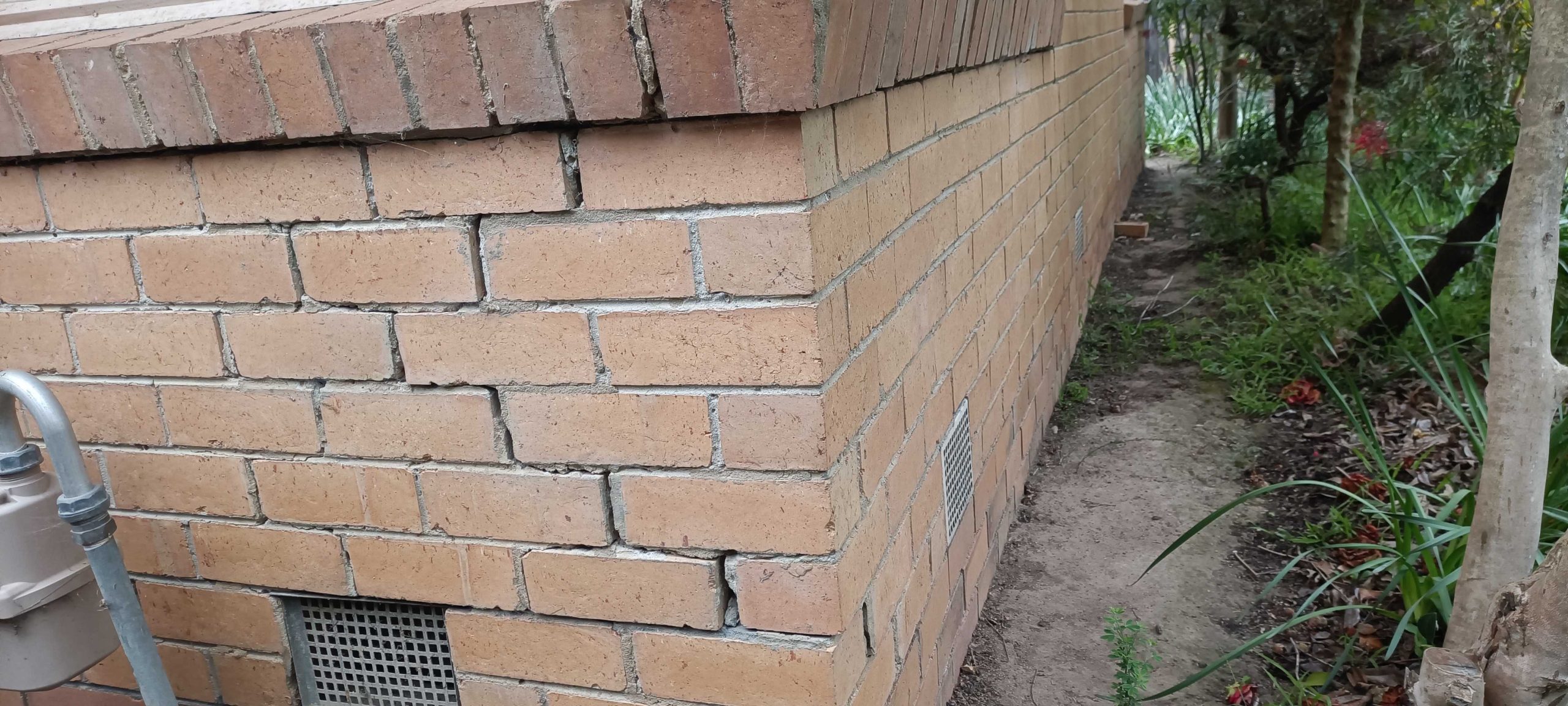
- Cracked walls and ceilings
- Uneven floors
- Doors that jam or won’t close
- Pool leaks or retaining wall collapse
Soil testing gives you and your builder the information needed to build safely, efficiently and legally.
- Before building a new home or extension
- Before purchasing land (to understand potential site costs)
- Before underpinning, restumping or foundation repairs
If cracks or subsidence are appearing around your home. Even minor changes in drainage, nearby trees or excavation can change soil conditions and that’s where structural engineers step in to assess and report on stability.
Book a Soil Test with Barrasons Group.
At Barrasons Group, we know what is required and how to interpret soil tests. Our trusted contractors are experts in what they do. We handle everything for AS 2870 site classifications and moisture testing to foundation design and structural inspections. Whether you’re building your dream home or managing a large-scale development, out reports are fast, detailed and council-compliant.
Get in touch today to schedule your soil test and foundation assessment.